Sustainability has become one of the defining challenges for the data center sector. As digital infrastructure expands to support AI, cloud computing and growing demand for capacity, operators are being asked to reduce environmental impact while simultaneously delivering at unprecedented scale and speed.
Many of the industry’s greatest sustainability challenges, from renewable energy procurement and embodied carbon to water stewardship and material sourcing, cannot be solved by individual organizations acting alone. Addressing them requires shared standards, common frameworks and a willingness to collaborate across the industry.
That is why organizations such as the iMasons Climate Accord (iCA) have become increasingly important. They provide a forum where operators, suppliers and industry leaders can work together to develop practical approaches that benefit the sector as a whole.
From Commitment to Collaboration
Collaboration is most valuable when it is informed by operational experience. Progress accelerates when sustainability discussions are informed by lessons learned from real projects rather than theoretical ambitions.

At Prime Data Centers, sustainability initiatives are already embedded across the business. Closed-loop mechanical systems use a fraction of the water required by a traditional evaporative-cooled facility, while water restoration certificates equivalent to 120% of the operating portfolio’s annual water usage have been purchased each year since 2023 as part of the company’s sustainability commitments.
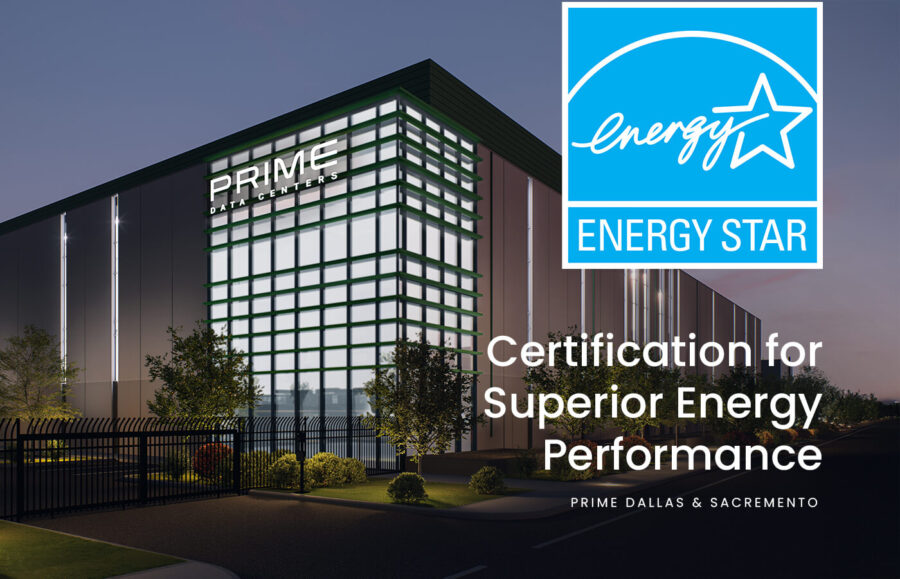
That operational experience extends across multiple areas of the business. ENERGY STAR certifications have been achieved at Prime’s Dallas and Sacramento campuses, while the average construction and demolition waste diversion rate across active U.S. construction sites in 2025 was 87%.
These initiatives are not collaborative efforts in themselves. Rather, they provide the operational experience that allows Prime to contribute practical insight to wider industry discussions.
Participating in organizations such as the iMasons Climate Accord creates an opportunity to bring that experience into wider industry conversations while ensuring progress continues to be measured against shared standards.
People-Driven Progress
Meaningful collaboration is driven by people rather than memberships.
Prime is a Global Foundation Partner of Infrastructure Masons, but its greatest contribution comes through the expertise its people bring to industry initiatives.
Phoebe Cribb, Prime’s Sustainability Manager, co-chairs the iCA Materials Working Group, leading discussions focused on reducing the embodied carbon of data center building materials, including concrete and structural steel. The group’s work helps develop practical frameworks that can support lower-carbon construction across the industry.
Collaboration also extends beyond environmental initiatives. Jaime Weibel, Prime’s Director of Marketing, chairs the Denver chapter of iMWomen, supporting networking and professional development opportunities that help attract and develop more women in digital infrastructure.
Prime’s collaborative approach has also been recognised by iCA leadership. Following the launch of the company’s sustainability strategy in 2024, Miranda Gardiner, Executive Director of the iMasons Climate Accord, commented:
Working with Prime executives, it is clear the company has a top-down commitment to sustainability. Now is the time for our industry to collaborate on finding real solutions to the systemic and large-scale challenges we all face, such as energy sourcing and reducing greenhouse gas emissions. Our industry’s success is dependent on contributions from engaged partners, like Prime, to ensure these conversations become actions for a sustainable future.
Why It Matters
As demand for digital infrastructure continues to accelerate, collaboration will become increasingly important. Membership of industry organizations is valuable, but lasting progress comes from organizations that contribute practical experience, share expertise and help shape standards that others can adopt.
Building more sustainable digital infrastructure requires more than good intentions. It requires organizations willing to contribute their experience, challenge established thinking and shape the standards that will define the industry’s future.