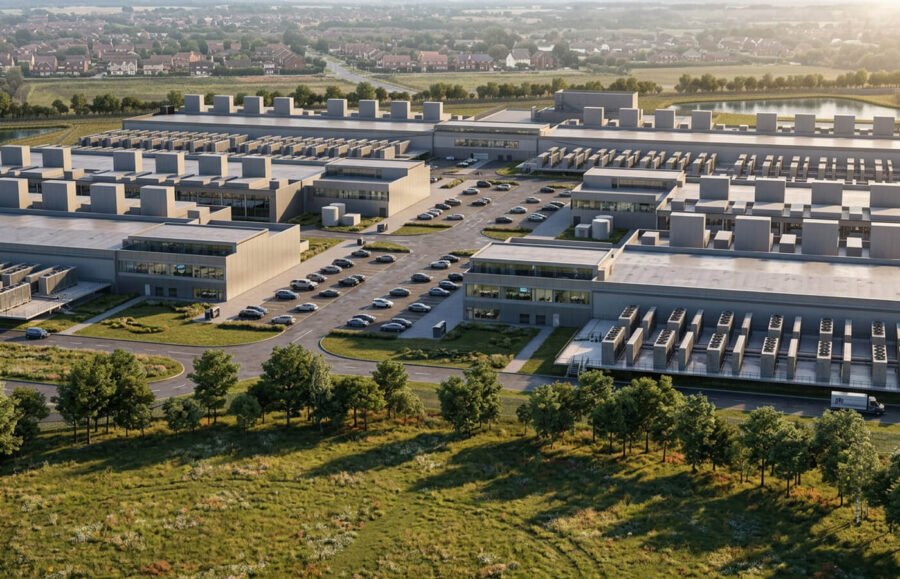
One day. No data centers. What would happen?
Picture every data center going dark for 24 hours. Not because of a cyberattack or a natural disaster. Just as a thought experiment.
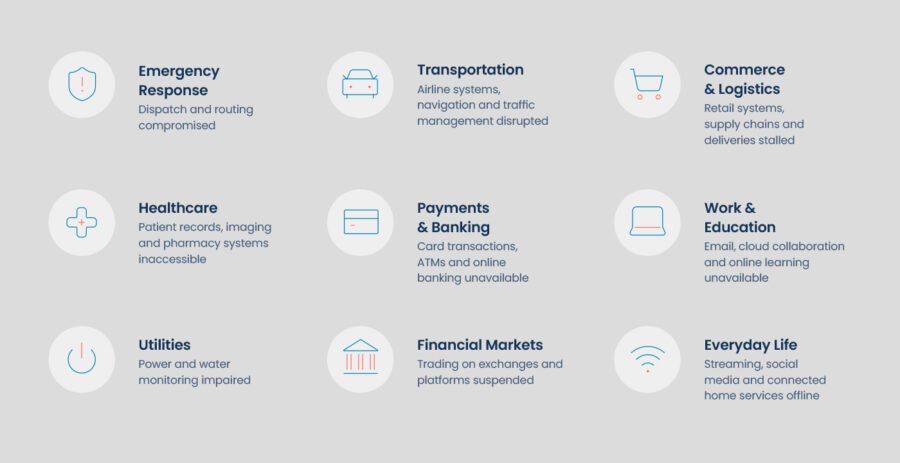
You wake up and reach for your phone. Some of the apps you use every morning won’t load. Your weather forecast is unavailable, and your navigation app can’t calculate the quickest route to work.
You stop for coffee, but the card payment system can’t connect. At work, shared files are inaccessible, video calls won’t start and cloud-based systems are unavailable. Emails aren’t arriving.
The disruption extends far beyond everyday inconvenience. Healthcare, transportation, banking, utilities and public services all begin to feel the effects.
By evening, streaming services are down, food delivery apps won’t load, online banking is inaccessible and social media has gone remarkably quiet.
Data centers exist because all of us consume data, every day, usually without thinking about where it lives or the physical infrastructure required to make our increasingly digital world possible.
If data centers went dark
The effects would reach almost every part of modern life.
The infrastructure behind the screen
Part of the reason data centers can seem disconnected from everyday life is that we rarely see the infrastructure behind the digital services we use.
We save photos to “the cloud”. We stream a movie “online”. We tap a card, send an email, join a video call or ask an AI tool a question. The experience feels almost instantaneous and largely intangible.
But the digital world isn’t weightless.
Every one of those interactions depends on physical infrastructure. Data needs somewhere to be stored, processed and transmitted. That requires servers and network equipment housed in secure facilities, together with the power and cooling infrastructure needed to keep them operating reliably.
That is what a data center provides.
Our demand for data is growing
Our reliance on digital infrastructure is not standing still. The amount of data we create, store and process continues to grow, while artificial intelligence is accelerating demand for computing capacity at unprecedented scale.
That doesn’t mean communities should accept data center development without question. Nor does the importance of digital infrastructure make legitimate concerns about its development disappear.
The need for digital infrastructure is clear. The more challenging question is how we develop that infrastructure responsibly.
Essential infrastructure comes with responsibility
Like any major infrastructure, data centers have an impact on the places in which they are built.
They require land and significant power. Their construction creates traffic and activity. Depending on their design, they can use water for cooling. Backup power systems, mechanical equipment, building scale and visual appearance can all create understandable questions for surrounding communities.
Those concerns deserve serious answers.
Being part of essential infrastructure doesn’t remove an operator’s responsibility to minimize its impact. It increases it.
Responsible development means understanding the community and the location, considering how energy and water will be used, managing the impact of noise and construction, and thinking carefully about how a data center fits into its surroundings.
It also means looking beyond the site boundary. Data centers are long-term investments that can broaden the local tax base, support jobs, create opportunities for local suppliers and contribute to community programs and initiatives.
But earning the trust of a community requires more than highlighting those benefits. It requires transparency, meaningful engagement and a willingness to listen and respond throughout the lifetime of a project.
Infrastructure works best when it quietly enables everyday life. But behind every click, call, payment and stream is physical infrastructure.
The challenge is not simply to build enough of it. It is to build it responsibly.