As digital infrastructure expands, operators are increasingly looking beyond energy and efficiency to consider biodiversity, land stewardship and community impact.
AI, cloud computing and high-density workloads are accelerating demand for digital infrastructure around the world. As data center campuses grow in scale and visibility, operators are now being asked to think beyond power capacity and performance alone.
Energy efficiency and water usage remain central to the sustainability conversation, but biodiversity is beginning to emerge as another area of focus and is being discussed as part of a wider conversation on responsible infrastructure development.
Across the industry, some operators are introducing pollinator initiatives, native planting strategies and managed green spaces as part of a broader approach to long-term environmental stewardship. Beehives have become one visible example of that shift.
For a sector often associated purely with technology and infrastructure, the connection may not seem obvious at first. But as data center development expands, operators are recognising that campuses do not exist in isolation. They become part of the communities and ecosystems around them, and part of a wider conversation about how infrastructure can coexist more thoughtfully with the natural environment.
Expanding the sustainability conversation
Pollinators play a critical role in supporting ecosystems and global food production, yet bee populations continue to face pressure from habitat loss, climate change and pesticide exposure. Whilst no single initiative solves that challenge, pollinator programs can contribute to healthier local ecosystems when paired with responsible land management and long-term stewardship.
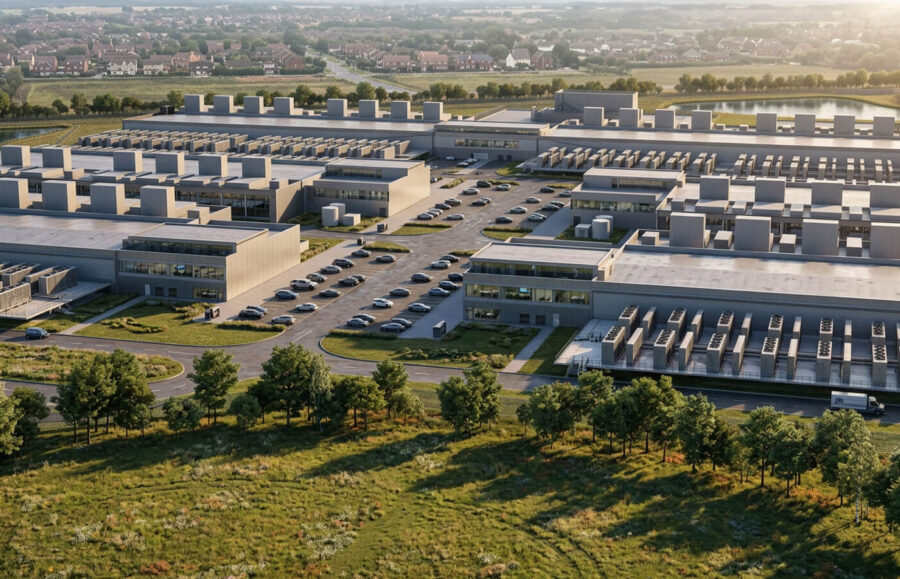
For data center operators, these initiatives also represent an opportunity to think differently about the spaces surrounding their facilities. Modern campuses often include landscaped areas, undeveloped land and long-term managed environments that can support more intentional biodiversity efforts over time.
Bees are particularly well suited to these programs because of both their environmental importance and their visibility. A single hive can pollinate large surrounding areas while also creating opportunities for employee engagement, education and community involvement.
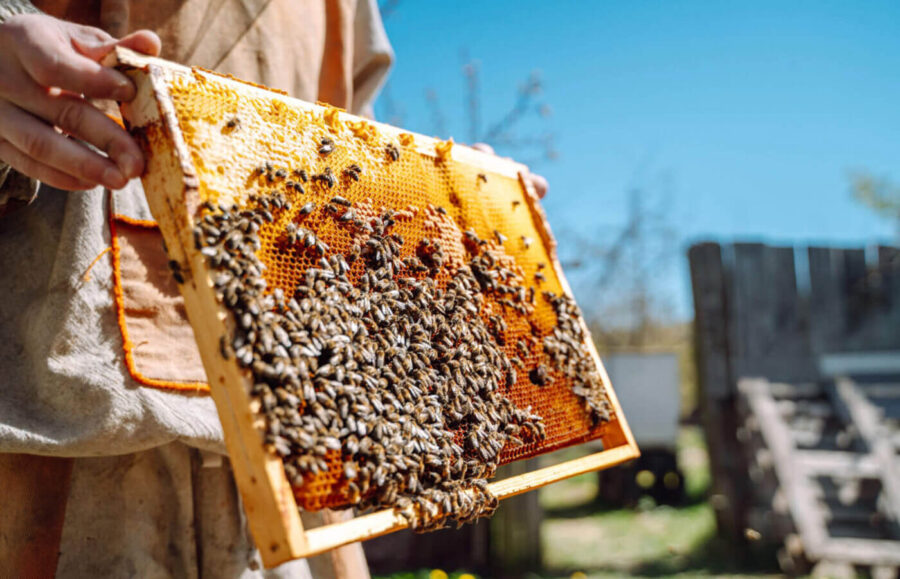
As a result, beehive programs are beginning to appear across the digital infrastructure industry, together with broader sustainability initiatives focused on water conservation, renewable energy and responsible campus development.
The environmental role of modern campuses
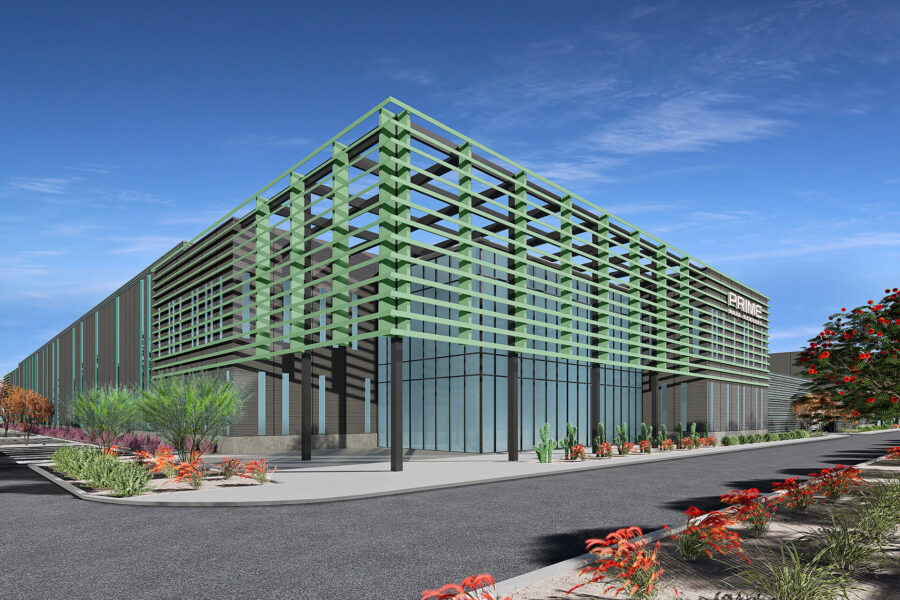
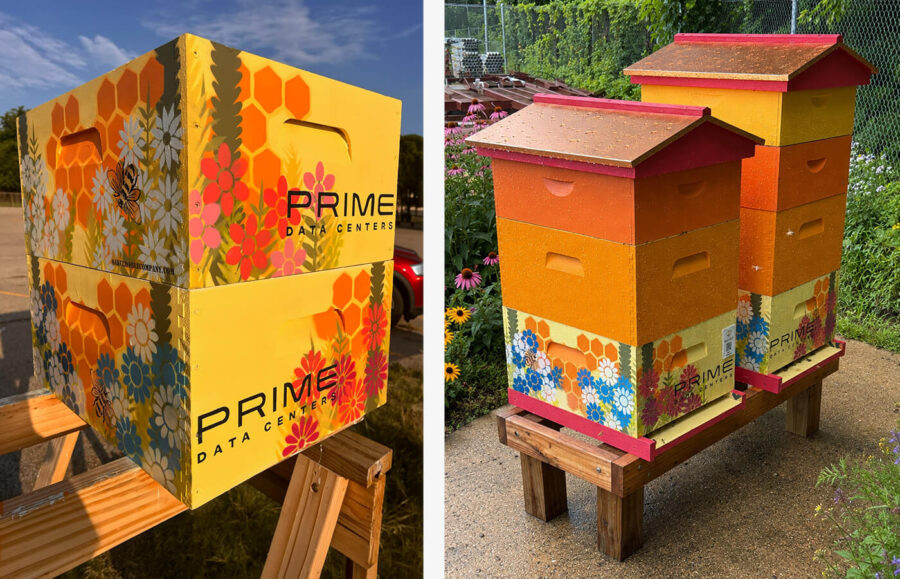
At Prime, that thinking has shaped the development of the company’s beehive initiative across our U.S. campuses.
What began as a pilot program at our Dallas-Fort Worth facility has since expanded to our sites in Los Angeles and Sacramento with Chicago set to join the initiative as we continue rolling the program out across additional locations.
Our program was developed in partnership with experienced beekeepers and reflects Prime’s overall approach to environmental responsibility, biodiversity protection and community engagement. Some of the honey produced through the program is being donated to nearby food banks, while the initiative itself helps create greater awareness around biodiversity and pollinator health.
Importantly, the initiative is not positioned as a standalone sustainability solution. Instead, it forms part of a wider philosophy around long-term stewardship — recognising that the way in which infrastructure is developed and operated is just as important as the infrastructure itself.
Local connection matters. As demand for digital infrastructure continues to grow, operators are under increasing pressure to demonstrate not only operational excellence, but also responsible development practices that acknowledge our broader environmental footprint.
Thinking beyond the data hall
The data center industry is evolving quickly. Conversations that once focused almost exclusively on uptime, capacity and efficiency are now expanding to include resilience, resource management and long-term environmental impact.
Biodiversity may still be an emerging part of that conversation, but it reflects a changing dynamic in the way in which operators are thinking about the future of infrastructure development.
Beehives alone will not define sustainable infrastructure. But they do represent something important: a recognition that data center campuses are part of wider environmental and community ecosystems, not separate from them.
As the industry continues to scale, the operators that stand apart will be those thinking beyond the data hall — considering not only how infrastructure performs, but how it coexists with the surrounding world.